Architecture··4 min read
Architectural Portfolio
Think of your architectural portfolio as your golden ticket—it’s your chance to impress employers, clients, or university admission boards with your design genius.
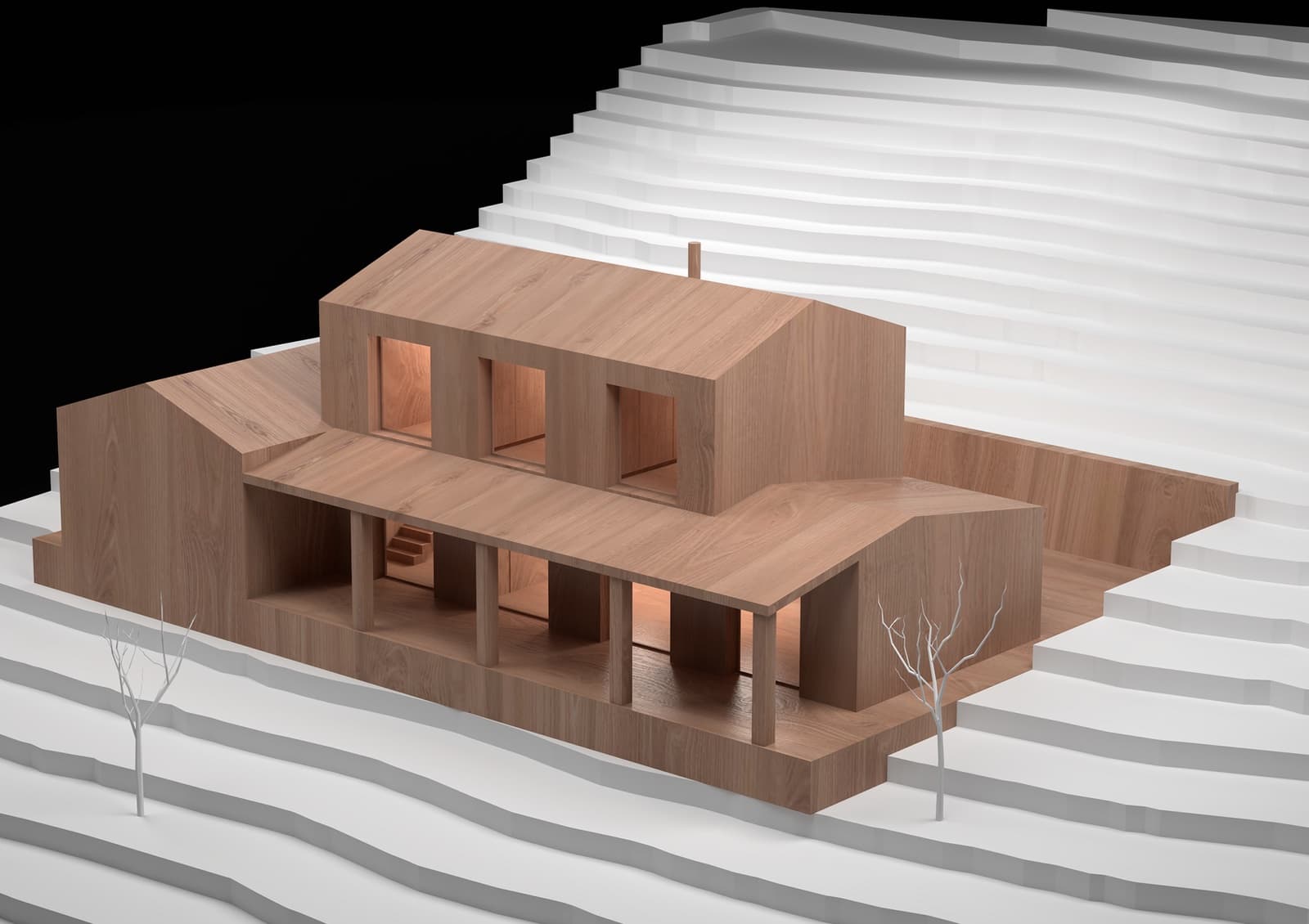
Why Your Architectural Portfolio Matters
An architectural portfolio is your visual resume, showcasing your design skills, technical expertise, and creative approach. Whether you’re applying for a job, looking for clients, or applying to a university, a well-structured portfolio can make a lasting impression.
Choosing the Right Format: Digital vs. Physical
- Digital Portfolio: Ideal for job applications, online exposure, and sharing with potential clients. It allows for easy updates and a broader audience reach.
- Physical Portfolio: Best for in-person interviews or presentations, offering a tangible experience of your work.
Best Online Platforms for Your Architectural Portfolio
- Behance (Adobe) – Great for showcasing design work with a clean, customizable interface.
- Issuu – Ideal for publishing and sharing a magazine-style portfolio.
- Squarespace – Perfect for creating a professional personal website.
- Wix – Offers drag-and-drop website building with creative freedom.
- Adobe Portfolio – Integrated with Adobe Creative Cloud, great for designers.
- Archinect – A professional network for architects that includes portfolio hosting.
- LinkedIn & Instagram – While not traditional portfolio platforms, they can help showcase your work to a wider audience.
Essential Tips for an Outstanding Architectural Portfolio
1. Keep it Concise and Well-Organized
- Include 8–12 of your best projects.
- Arrange content logically (chronological or thematic order).
- Use clear headings and brief descriptions.
2. Showcase a Variety of Skills
- Include conceptual sketches, technical drawings, 3D visualizations, and completed projects.
- Highlight key skills like sustainability, urban planning, or interior design if relevant.
3. Focus on Presentation & Layout
- Use a minimal, clean design.
- Avoid clutter; whitespace helps focus attention on your work.
- Use high-resolution images and professional typography.
4. Write Strong Project Descriptions
- Provide context: project goal, site location, constraints, and solutions.
- Keep descriptions brief but informative.
- Use bullet points for clarity.
5. Adapt Your Portfolio for Each Opportunity
- Tailor your portfolio for different jobs or clients.
- Highlight relevant projects that align with the position or client needs.
6. Keep It Updated
- Regularly add new work and remove outdated projects.
- Show progress in skills and experience over time.
7. Include a Strong Introduction & Contact Information
- Write a compelling bio summarizing your background and design philosophy.
- Provide an email, website link, and social media handles (if professional).
Conclusion
A well-crafted architectural portfolio can open doors to career opportunities and showcase your design vision. Whether you opt for a personal website, an online portfolio platform, or a PDF format, ensure that your work is clear, engaging, and up-to-date. Start building today and make a lasting impression in the architectural world!